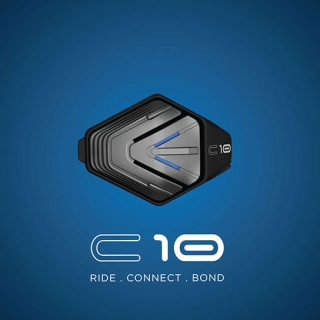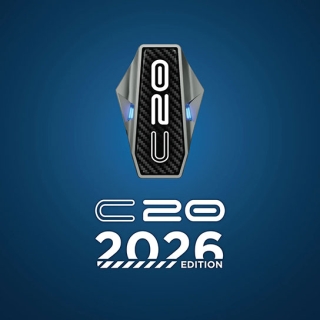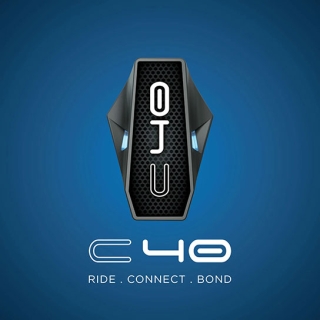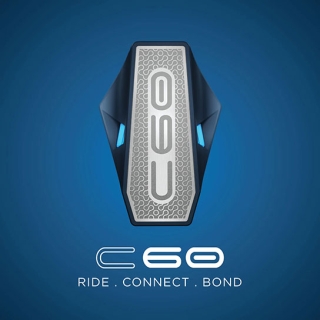
Communicators
A helmet intercom solves a specific problem: talking to your riding group, taking calls, or hearing navigation without pulling over or shouting over wind noise. The tricky part is that not all of them do this the same way, and the difference between a basic Bluetooth pairing setup and a proper mesh network matters a lot more than the spec sheets usually make clear.
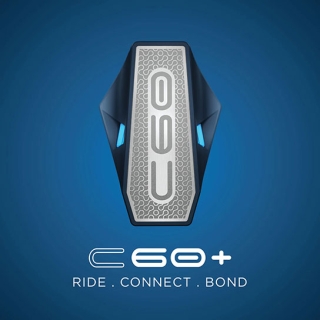
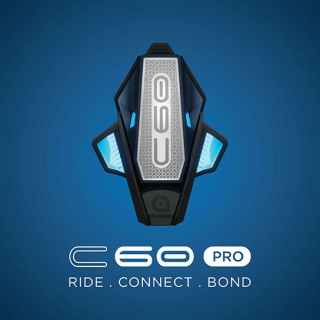
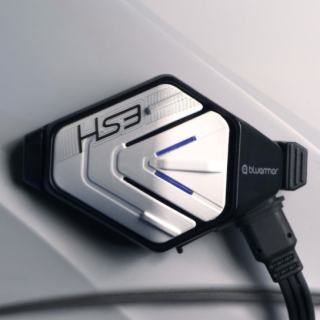
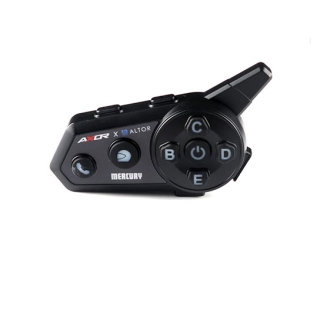
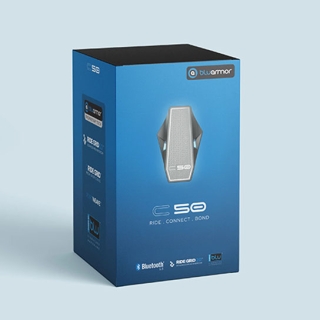
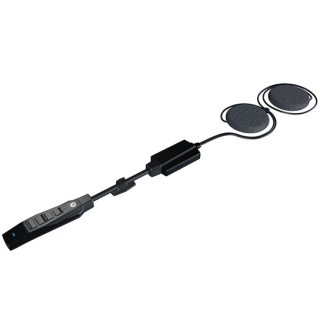
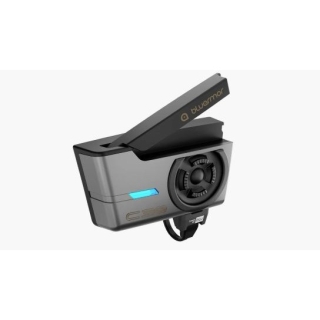
We carry a helmet bluetooth headset lineup across a few brands, ranging from simple two-rider Bluetooth intercoms to mesh systems built for larger touring groups. The right one depends less on brand and more on how many riders you actually ride with and how far apart you tend to spread out on the road.
- Mesh and standard Bluetooth options: Choose based on group size, not just headline range numbers.
- Built for real riding conditions: Waterproof ratings and wind-noise handling suited to actual road use.
- Group intercom support: Helmet to helmet intercom setups that scale from pairs to larger touring groups.
- Long battery life: Options built to last a full day of riding without needing a mid-ride charge.
Mesh Intercom or Standard Bluetooth: What’s the Real Difference
A standard bluetooth on helmet setup pairs a fixed number of riders directly to each other, and the connection typically weakens or drops as riders spread further apart or as more devices join the chain. A mesh intercom system works differently: every unit in the group can relay signal to every other unit, so the network stays intelligent and self-healing even if one rider falls behind or temporarily loses signal, and it generally supports a much larger group without the same drop-off in quality.
If you mostly ride solo or with one riding partner, standard helmet to helmet bluetooth pairing is simpler and usually cheaper, and there’s little practical benefit to mesh technology at that scale. If you regularly ride in a group of four or more, especially on routes where riders spread out, mesh technology is worth the extra cost, since it holds the group connection together in situations where standard pairing tends to break down.
FAQs
Q: What’s the difference between a helmet intercom and a regular Bluetooth headset?
A: A regular Bluetooth headset typically connects to just your phone for calls and music, while a helmet intercom is built specifically for rider-to-rider communication, letting you talk to other riders in real time in addition to handling calls and navigation audio. Range and multi-rider support are the features a dedicated intercom adds over a generic headset.
Q: How many riders can typically connect using mesh intercom technology?
A: This varies by model, but mesh systems commonly support groups of ten to twenty riders, compared to standard Bluetooth pairing which is usually limited to a handful of connected units at once. Check the specific product’s rated group size before buying if you regularly ride with a larger crew.
Q: Is a helmet intercom waterproof?
A: Most intercom units built for motorcycle use carry an IP rating for water and dust resistance, commonly IP66 or IP67, which means they’re built to handle rain and road spray during normal riding. Always check the specific IP rating on the product page, since resistance levels do vary between models.
Q: How long does the battery last on a helmet Bluetooth headset?
A: Battery life varies by model and how heavily you use talk versus standby time, but many units are built to last somewhere between 8 and 16 hours of active use. If you’re doing multi-day touring without regular charging access, it’s worth checking the specific battery rating before choosing a unit.
Q: Can I use a helmet intercom to listen to music and navigation at the same time as talking to my group?
A: Many modern intercom systems support audio mixing, blending music or navigation prompts with group conversation rather than forcing you to choose one or the other. This feature varies by model, so check the specific product description if it’s a priority for you.

- Free Shipping
-
- Free Shipping
-
- Free Shipping
-
- Free Shipping
-
- Free Shipping
-
- Free Shipping
-
- Free Shipping
-
- Free Shipping
-
- Free Shipping