Bike Auxiliary Lights
Stock headlights on most bikes are built to meet a basic legal minimum, not to actually light up a foggy highway or a badly lit village road at night. A bike light fog upgrade fills that gap, throwing a wider, lower beam that cuts through mist and rain instead of just reflecting straight back into your eyes the way a high beam does in fog.
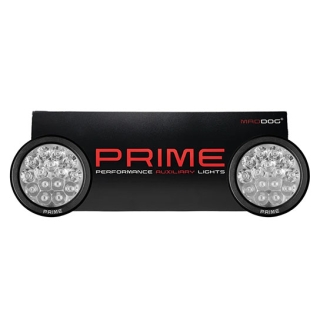
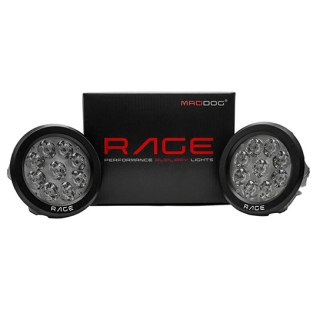
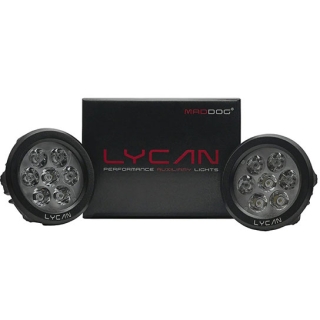
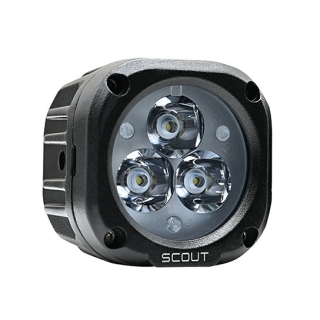
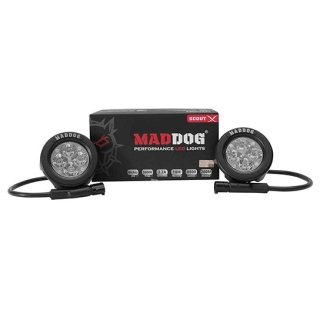
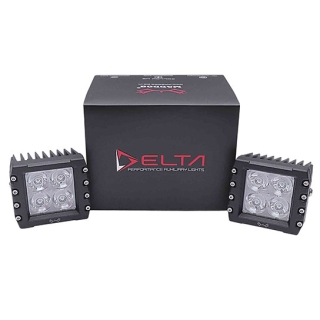
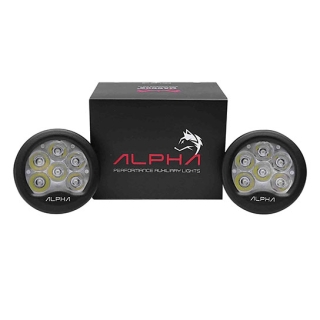
We carry auxiliary lights for bikes across a few different brands, so you can compare beam type, brightness, and build quality side by side rather than committing to whatever one brand happens to sell. Filter by your model, whether that's a fog light for Royal Enfield or something more adventure-focused, and you'll only see lights confirmed to fit.
Picking the right one comes down to a few genuine trade-offs, not just brightness numbers, and we've laid those out below.
- Multiple brands, one place: Compare fog and auxiliary lights across brands instead of just one.
- Fog and driving beams both stocked: Choose based on how you actually ride, not just lumen count.
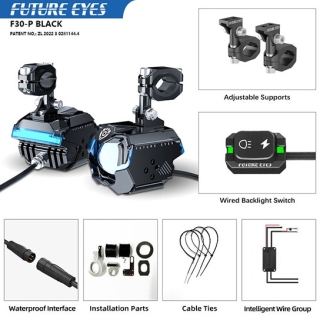
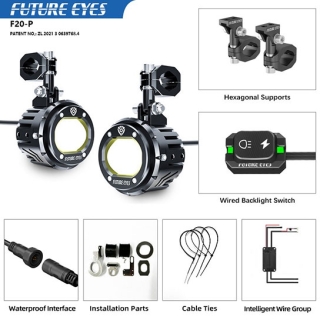
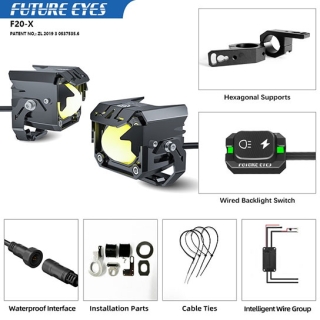
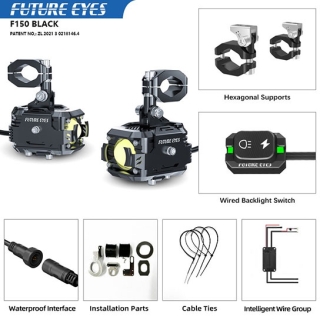
- Plug and play kits available: Many lights come complete with harness, relay and switch.
Fog Beam or Driving Beam: What Actually Matters
A true fog light throws a wide, flat beam angled low, so it lights the road surface without bouncing light back off fog or rain into your own eyes. A driving light does the opposite: a tighter, longer-reaching beam meant to extend how far ahead you can see on a clear night, which is exactly the kind of light that blinds you in actual fog. If you ride mostly on highways at night, a driving beam helps. If fog, rain, or dust is a regular part of your riding, a proper fog beam matters more than raw brightness.
Color temperature plays into this too. Amber or yellow light scatters less in fog and rain than white light, which is why many dedicated fog lights use it, while white light gives a more natural, further-reaching view on a clear night. Some lights, including a few in our range, let you switch between the two with swappable filters instead of forcing you to choose one at purchase.
Fitting Auxiliary Lights to Your Bike
Fitment is less about the light itself and more about mounting and wiring. Most auxiliary lights need a mount that clamps to your fork or crash guard, sized to your bike's specific diameter, so filtering by model here matters as much for the mount as for the light. On the wiring side, look for a kit that includes a relay and a dedicated switch rather than one wired straight off the horn or headlight circuit, since that draws more current than those circuits are meant to handle.
A fog light for Royal Enfield models, for example, is usually sold with mounts sized to the bike's specific fork or crash guard rather than as a universal clamp.
For a full breakdown of beam colour, brightness, alternator load, and India's legal grey area around auxiliary lights, see our How to Choose Auxiliary Lights for Your Motorcycle guide.
FAQs
Q: What's the difference between a fog light and a regular auxiliary light?
A: A fog light is designed with a wide, low-angled beam specifically to avoid reflecting off fog and rain back into your eyes, while a general auxiliary or driving light throws a longer, narrower beam meant to extend visibility on a clear night. Riding in genuine fog with a driving-beam light usually makes visibility worse, not better.
Q: Will a fog light for Royal Enfield fit without permanent modification to my bike?
A: Most auxiliary lights sold for Royal Enfield models come with a mount sized to the bike's stock fork or crash guard, so fitting typically doesn't require drilling or permanent changes. Always check the specific listing for your exact model and year, since mounting points can differ between generations.
Q: Do auxiliary lights need a separate wiring harness and relay?
A: Yes, this is the safer way to wire them rather than tapping into an existing circuit. A relay lets the lights draw power directly from the battery while being switched by a low-current signal, which protects your bike's existing wiring from being overloaded.

- Free Shipping
-
- Free Shipping
-
- Free Shipping
-
- Free Shipping
-
- Free Shipping
-
- Free Shipping
-
- Free Shipping
-
- Free Shipping
-
- Free Shipping
-
- Free Shipping
-
- Free Shipping