Motorcycle Helmets
A helmet is the one part of your riding gear you can't compromise on, so we've built this page to make the decision easier, not harder. Whether you're commuting through city traffic, touring on the highway, or heading off-road, the right motorcycle helmet depends on how you ride, not just how it looks. Every helmet on Store4Riders is certified for safety and built to actually be worn every day, not just admired in a box.
- Certified for real protection: ECE, DOT and BIS certified helmets, verified before they're listed.
- Built for your riding style: Full-face, modular, open-face and off-road options, sorted by how you ride.
- Fit guidance included: Size charts and a fitting guide so you order the right size the first time.
- Free shipping, easy EMI: Fast delivery and no-cost EMI on eligible helmets.
How to Choose a Motorcycle Helmet
Most people choose a helmet by looks first and regret it within a month. Get these three right instead:
- Match the helmet to your ride. Full-face helmets give you the most protection and are the right call for highway speeds and daily commuting. Modular (flip-up) helmets trade a bit of weight for the convenience of flipping the chin bar up at toll booths or while parking. Open-face and half-face helmets suit slower city riding where visibility and airflow matter more than wind protection. Off-road and dual-sport helmets are built for standing up on the pegs and wearing goggles, not for street riding.
- Check the certification sticker, not just the price tag. BIS (ISI mark) is legally required for every helmet sold in India. ECE 22.06 and DOT certified helmets go a step further, since both mean the helmet has actually been through impact and retention testing rather than just carrying a marketing badge.
- Measure before you buy. Wrap a soft tape measure around your head just above your eyebrows and ears. A helmet that's a size too big will move on impact, which defeats the point of wearing one.
Read the full helmet fitting guide
Helmet Types Explained
Not sure which type fits how you ride? Here's a quick side-by-side before the details.
| Type | Best for | Protection | Trade-off |
| Full-face | Daily commuting, highway speeds, any serious riding | Highest, covers chin and jaw | Warmer in slow traffic, takes longer to put on |
| Modular (flip-up) | Touring riders who stop often | Same as full-face when locked, less when flipped up | Slightly heavier due to the hinge mechanism |
| Open-face (3/4) | Slower city riding and scooters | No chin or jaw coverage | More wind noise and no protection for your face |
| Off-road / dual-sport | Trails, motocross, and mixed dirt-and-paved routes | High, built around goggles instead of a visor | Not built for sustained highway speed |
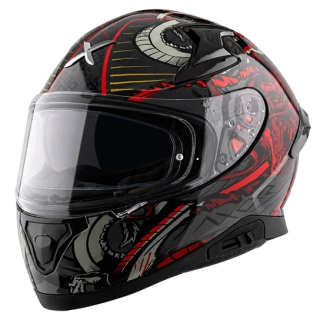
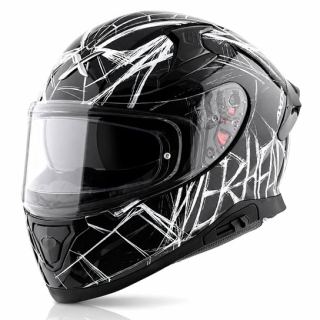
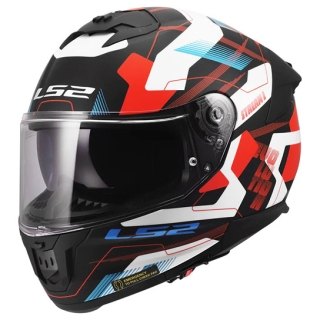
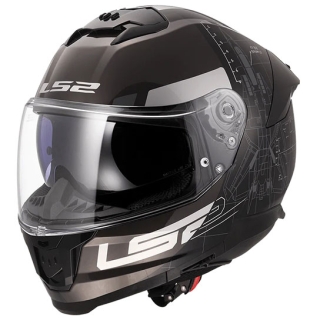
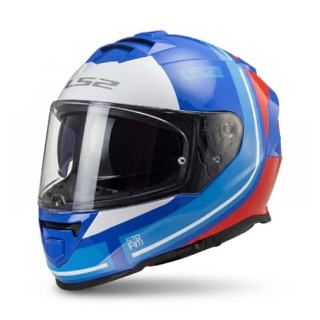
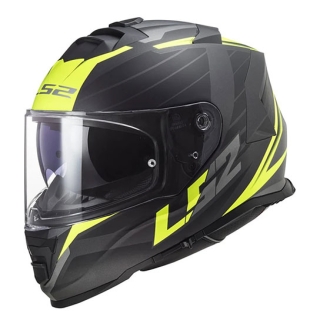
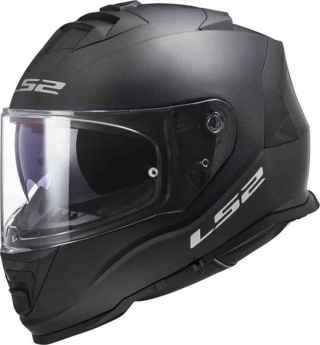
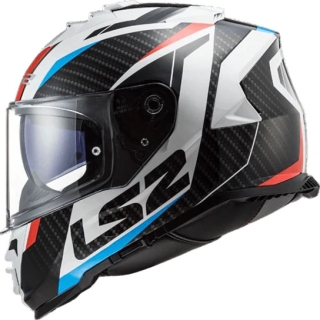
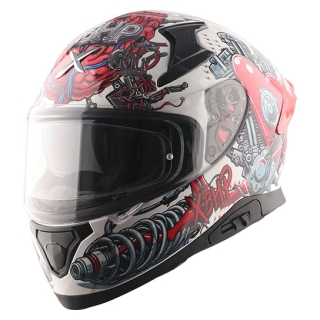
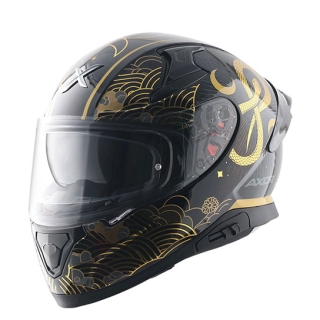
- Full-face Helmet: Covers your chin, jaw and face completely. The safest option and the one most riders should default to.
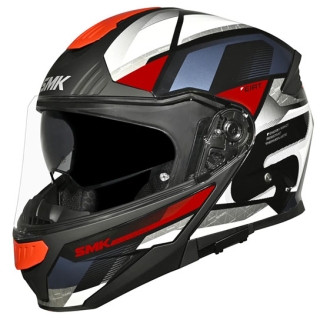
- Modular (flip-up) Helmet: Works as a full-face helmet on the road, with a chin bar that lifts up when you're stationary. Popular with touring riders who stop often.
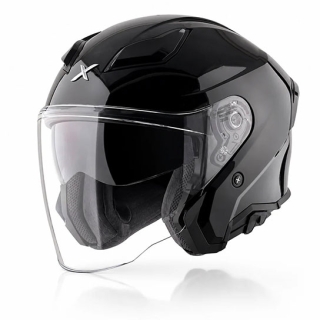
- Open-face (3/4) Helmet: Leaves your chin and face exposed but gives you wide visibility and airflow. Common on scooters and in slower city traffic.
- Off-road / motocross Helmet: Extended chin bar, peak visor, and space for goggles. Built for dirt, not for highway speed.
- Dual-sport Helmet: A cross between off-road and street helmets, for riders who go between both.
Certification & Safety Standards
- BIS (ISI mark): Mandatory certification for every helmet sold in India, confirming it meets Indian government safety requirements. Look for the ISI hologram sticker.
- ECE 22.06: The European standard, widely recognized and one of the more rigorous tests a helmet can pass.
- DOT certified: The US Department of Transportation standard, focused on impact absorption and strap retention. Widely recognized and a mark many riders specifically look for alongside BIS.
Always check the product page for the specific certification and test details before buying.
Helmet Size & Fit Guide
Wrap a soft tape measure around the widest part of your head, just above your eyebrows and ears, and note the measurement in centimeters. A properly fitted helmet should sit level, not tilt back or forward, and the cheek pads should touch your face snugly without pinching. If you're between two sizes, go with the smaller one. Most liners break in and loosen slightly over the first few weeks of use.
Weight and Comfort
A lightweight helmet matters more than most riders expect, especially on longer rides or in stop-and-go traffic where your neck carries the load for hours at a time. If comfort on long trips is a priority, check the listed weight on the product page and compare it against similar helmets in the same category before you decide.
Bluetooth and Communicator-ready Helmets
If you ride in a group or want music and navigation without pulling your phone out, look for a helmet with a Bluetooth intercom built in, or one with enough clearance in the liner to fit a communicator unit like a Sena or similar add-on afterward. Check the specific product page for compatibility before you buy, since not every shell design fits every communicator model.
Helmet Care & Lifespan
A helmet isn't a lifetime purchase. Replace yours after any crash, even a minor one, since the impact-absorbing foam inside doesn't bounce back. Outside of a crash, plan to replace it every five years, or sooner if the shell is cracked, the liner has flattened, or the strap has worn thin. Clean the shell and visor with mild soap and a soft cloth, remove and wash the liner as per the manufacturer's instructions, and treat the visor with an anti-fog solution if you ride early mornings or in the rain.
Read the full helmet maintenance guide
FAQs
Q1: What type of motorcycle helmet is safest?
A1: A full-face helmet offers the most protection because it covers your chin, jaw, and the sides of your face, the areas most commonly hit in a crash. Modular helmets offer similar protection when the chin bar is locked down, but open-face and half-face helmets leave your jaw exposed.
Q2: Is BIS certification mandatory for helmets in India?
A2: Yes. Helmets sold in India need to carry the BIS (ISI) mark, which confirms they meet the Indian government's safety standards. Look for the ISI hologram sticker on the helmet before buying.
Q3: How do I know if a helmet fits me correctly?
A3: It should sit level on your head without tilting, feel snug on your cheeks without causing pain, and not shift when you shake your head side to side. If you can fit more than a finger's width between the strap and your chin when buckled, it's too loose.
Q4: How often should I replace my motorcycle helmet?
A4: Replace it immediately after any crash, since the protective foam is designed to absorb one impact and doesn't recover. Without a crash, most manufacturers recommend replacing a helmet every five years due to normal wear on the foam, straps, and shell.
Q5: Can I use the same helmet for city riding and highway trips?
A5: A full-face or modular helmet works well for both. Open-face and half-face helmets are fine for slower city rides but aren't ideal at highway speeds, where wind noise and debris become a bigger factor.

- Free Shipping
-
- Free Shipping
-
- Free Shipping
-
- Free Shipping
-
- Free Shipping
-
- Free Shipping
-
- Free Shipping
-
- Free Shipping
-
- Free Shipping
-
- Free Shipping
-
- Free Shipping
-
- Free Shipping