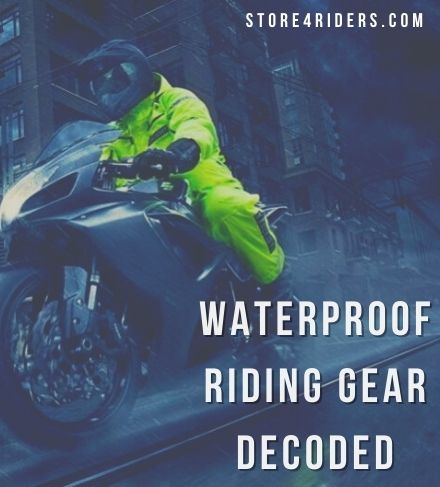
Waterproof Riding Gear: What to Wear When Riding in the Rain
Last updated: September 2026
Why This Matters
No riding gear keeps you completely dry in a long, hard downpour. Water gets in through zips, runs down your neck from the helmet, and gets thrown up from the road onto your jacket and boots regardless of how much you spent on your gear.
That's not a reason to skip rain gear. It's a reason to be clear about what "waterproof" actually means on a product label, and to know which pieces of gear do the most work for the money.
This guide covers what waterproof and water resistant actually mean, what to buy for monsoon riding in India, and how to wear it correctly, since gear worn the wrong way lets water in even when the product itself is genuinely waterproof.
- What "waterproof" actually means versus "water resistant" on a product label
- A practical rain kit for Indian monsoon riding, not a full wardrobe replacement
- The correct order to wear rain gear so water doesn't just find another way in
- A cheap workaround for waterproofing your hands without buying dedicated gloves
What Waterproofing Claims Actually Mean
"Water resistant" and "waterproof" are not the same claim, even though they get used interchangeably in marketing copy. Water resistant materials hold up against light rain or splashes for a limited time before water starts getting through. Waterproof materials, properly rated, are built to keep water out for as long as you're likely to be riding in it, but even genuinely waterproof gear has limits once water pressure and ride duration both increase.
If the pressure of rain hitting you at speed is strong enough, and you're riding for hours rather than minutes, no garment can guarantee you stay completely dry. What good rain gear actually does is buy you significant time and keep the worst of the water off your skin, which is the realistic goal to aim for.
Where Water Actually Gets In
Understanding this helps explain why full coverage matters more than any single expensive piece of gear.
- Water runs off your helmet and down the back of your neck if there's no seal at the collar.
- It gets thrown up from the road onto your jacket and into your boots, especially from the front wheel.
- It works its way into gloves through the sleeve opening if the jacket cuff isn't sealed over it.
- It rises up your leg into boots if your pants aren't covering the boot properly.
- It finds its way in through zips, pocket flaps, and seams that aren't taped or covered.
Building a Practical Rain Kit
Rain Suit Over Your Regular Gear
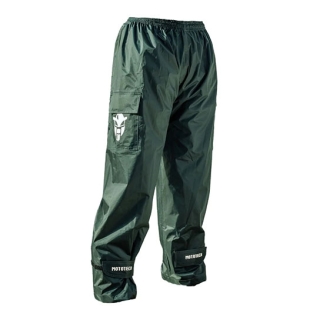
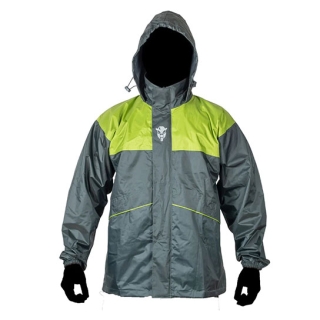
The most cost effective option for most riders is a two piece rain suit worn over your existing riding jacket and pants. A decent rain suit costs a fraction of dedicated waterproof riding gear and can last a couple of seasons with reasonable care. The tradeoff is comfort: rain suits trap heat, you'll still sweat under one, and they flap at higher speeds. For occasional monsoon riding, this tradeoff is usually worth it for the price.
Dedicated Waterproof Jackets and Pants
If you ride through monsoon season regularly, a dedicated waterproof riding jacket, rated by its waterproofing number (for example, gear rated to 10,000mm or higher handles sustained heavy rain meaningfully better than lower rated gear), is a better long term investment than repeatedly buying cheaper rain suits. These integrate more cleanly with your existing gear and tend to hold up better to regular use than a rain suit designed for occasional wear.
Leather gear is a poor choice if staying dry matters to you. Leather offers close to no water resistance on its own, so if you're riding a leather jacket or pants regularly through the monsoon, plan on a rain suit over them rather than relying on the leather itself.
Waterproof Gloves and Boots
Waterproof riding gloves don't need to be expensive, and they matter more than most riders expect, since wet gloves affect grip and control. If you're not ready to buy a dedicated pair, a simple workaround is wearing a thin surgical or dishwashing glove underneath your regular riding gloves. It genuinely works for waterproofing, though it does close off ventilation, so your hands will sweat more on longer or warmer rides.
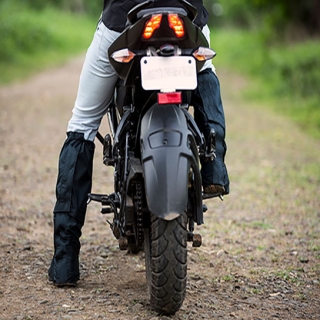
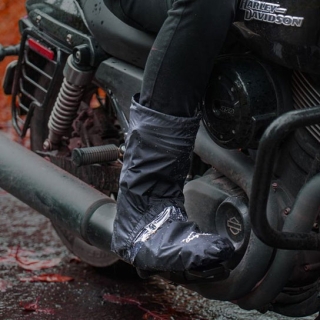
Waterproof boot covers are a cheaper alternative to dedicated waterproof riding boots and work well if you only need rain protection occasionally rather than for daily monsoon commuting.
Wearing Rain Gear the Right Way
Even genuinely waterproof gear lets water in if it's worn incorrectly. A few points matter more than they seem to:
- The riding jacket has to go over the rain pants at the waist, not tucked in or under. Water running down the jacket needs to land on the outside of the pants, not get funneled inside at the waistband.
- Rain pants should cover the top of your boots, not stop at the ankle, or water will run straight down into them.
- Jacket sleeves should close over the top of your glove cuffs, not sit underneath them.
- Check that your helmet has a proper seal at the neck, and add a rain cover or balaclava if water regularly runs down your collar.
Related Guides
- Choosing a Right Riding Jacket: rain liners versus dedicated waterproof jackets
- Choosing Right Riding Gloves: cuff types that seal better against rain
- Choosing Right Motorcycle Boots: what to check before adding waterproof boot covers
- How to Store Motorcycle Riding Gear: monsoon storage so wet gear doesn't develop mildew
FAQs
Q1: What does "waterproof" actually mean on riding gear, versus "water resistant"?
A1: Water resistant gear holds up against light rain or splashes for a limited time before water starts getting through. Waterproof gear is built to keep water out for as long as you're realistically riding in it, though even properly rated waterproof gear has limits in very heavy, sustained rain.
Q2: Is a cheap rain suit worn over my regular jacket good enough for monsoon riding?
A2: For occasional rain riding, yes. A two piece rain suit worn over your existing gear is the most cost effective option and lasts a couple of seasons with reasonable care. The tradeoffs are heat, some sweating underneath, and flapping at higher speeds, which matter more if you're riding through the monsoon daily rather than occasionally.
Q3: How do I keep my hands dry without buying expensive waterproof gloves?
A3: A thin surgical or dishwashing glove worn underneath your regular riding gloves works as a genuine waterproofing workaround. It closes off ventilation, so your hands will sweat more, but it's an effective low cost option if you're not ready to invest in dedicated waterproof gloves.
Q4: Why do I still get wet even with a jacket, pants and boots all rated waterproof?
A4: It's usually a wearing order issue rather than a product failure. The jacket needs to sit over the rain pants at the waist, the pants need to cover the top of the boots, and jacket sleeves need to close over your glove cuffs. Water finds the smallest gap between pieces of gear, so how you layer them matters as much as the waterproof rating itself.
Q5: Is leather riding gear okay to wear in the monsoon?
A5: Leather offers very little water resistance on its own, so wearing leather gear regularly through the monsoon without a rain suit over it means you will get wet. If you ride leather gear and expect rain, plan on a rain suit as a standard part of your kit rather than an occasional backup.