How to Choose the Right Motorcycle Riding Pants
Last updated: August 2026
How many times, have we seen riders fully decked in helmet, riding jacket, gloves going full blast while wearing normal jeans and sneakers? May be they have titanium knee caps. Mere mortals like you don’t have them.
Bottom half of your body is as important as top half. This is why motorcycle riding pants are as important a part of your riding gear as your gloves or helmet. So let's go ahead and explore more about choosing the right motorcycle riding pants.
Quick Navigation
- What should I wear while riding motorcycle?
- Types of Knee Protectors
- Why not knee protectors?
- What are the types of Riding Pants?
- What do the CE ratings on riding pants mean?
- How to pick the right size and fit
- How to clean and maintain riding pants
- What should you expect to pay?
- Frequently Asked Questions
What kind of pants should I wear on a motorcycle?
Riding pants have armour at knees and some riding pants would also have foam padding at hip area. Similar to riding jackets, riding pants are made using abrasion resistant textile / mesh or leather. So even in case of a fall, armour in your pants would take the first impact and in case of small crash, the cloth would not tear off.
Any decent riding pants would also have a special surface in seating area to give you more grip, so you won’t slide ahead / back on the seat while riding. These biker pants are also equipped with thermal and rain liners so you can keep riding in all kinds of weather while keeping your family jewels dry and cozy.
When riding pants offer so much benefit, does wearing normal jeans make any sense?
Types of Knee Guards / Knee Protectors
Knee protectors are of two types
- Internal protectors
- External protectors
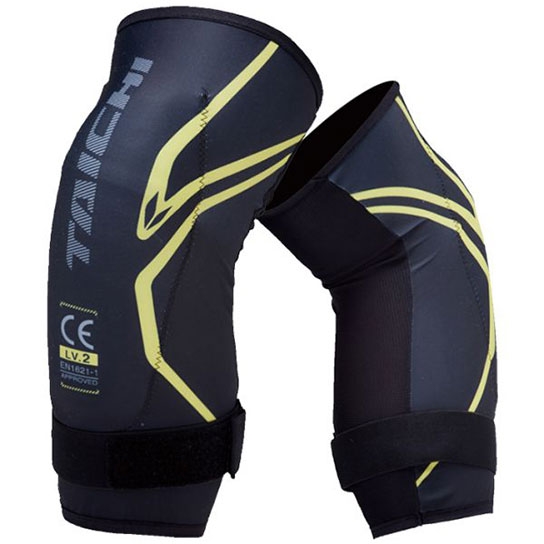
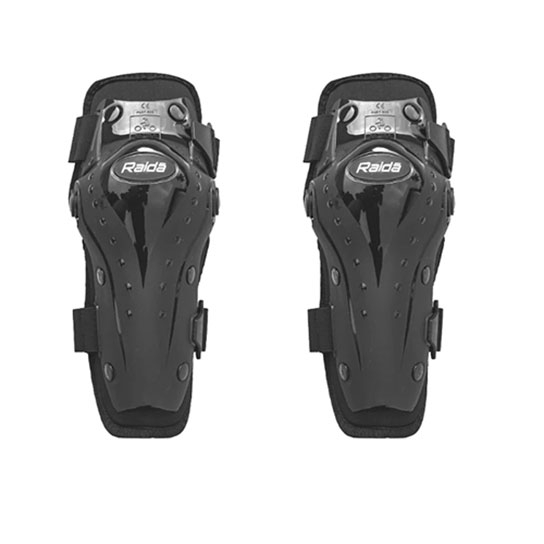
As the names describe, internal protectors are to be worn inside your trousers or jeans. These are not visible for others so you don’t feel like an alien when going out with non-rider friends. However, these are difficult to adjust or remove.
External protectors are typically bionic protectors. They have hinges for better fit and offer decent protection for the price charged. As they are to be worn outside your pants, they are easy to put on, remove and adjust. Unfortunately they tend to scratch your bike’s tank.
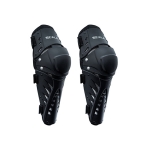
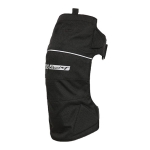
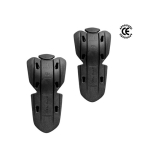
Here are few best quality knee guard options for you:
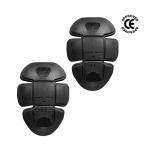
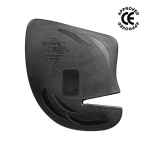
I wear Knee Guard / Knee protectors so I am protected
Why would you choose to buy riding pants instead of cheaper knee guards? Simply because riding pants are better in nearly every aspect.
Most Knee guards are for using on top of your pants and so chances of them scratching the tank are very high. In case of riding pants, the guards are kept in a special pocket stitched inside the external surface. But in case of knee protectors, you are relying on elastic to hold the protectors in place in case of a crash. Elastic, however good in quality, can’t be compared with stress taking ability of protector pockets inside riding pants.
Also Riding pants are made from abrasion resistant textile / leather. So they don’t tear easily even when you go sliding on them.
Types of Riding Pants
Like every other piece of clothing, Biker Pants are designed for the purpose you have in mind. Let’s have a look at major types of motorcycle riding pants.
| Type | Best for | Outer material | Everyday comfort |
| Racing Pants | Track days and aggressive sport riding | Leather | Low, built for the bike not the street |
| Casual Fit / Touring Pants | Daily commuting and long distance touring in all weather | Abrasion resistant textile | High, with removable liners |
| Motorcycle Jeans | Short commutes and riders who want a regular denim look | Kevlar or aramid reinforced denim | High, looks like everyday jeans |
Racing Pants

These are leather pants designed for aggressive seating style of super-sport bikes and to sustain crashes at race tracks. Leather has a high abrasion resistance and can tolerate a high speed slide much longer than any textile. These pants, in most cases have replaceable knee sliders. So that you can replace the sliders and pants are not damaged due to repeated knee downs. Racing pants need to be fairly snug fitting as baggy pants would flutter in wind and upset rider’s aerodynamics.
The pre-curved stitching of these pants ensure that rider’s legs are comfortable with aggressive style of seating. Racing pants forego features like rain/thermal liner because they are meant for use on track.
These pants are also good for riders who do knee scraping every weekend. Least comfortable but most suitable for aggressive riding.
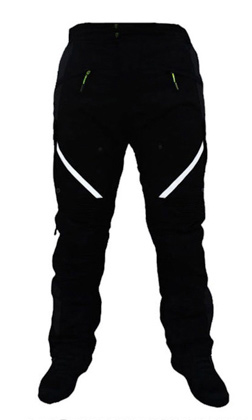
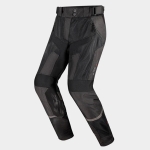
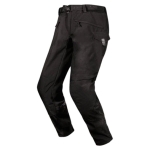
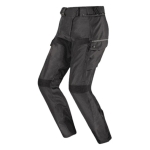
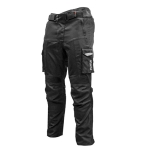
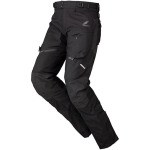
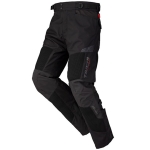
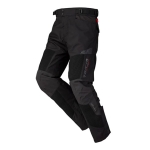
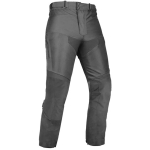
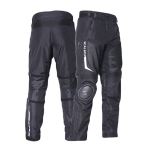
The most common style of motorcycle pants are casual fit / touring pants. Most casual riders prefer them because they are very comfortable. These pants usually have removable winter and rain liners so you can use them throughout the year. Typical protection offered by these riding pants is abrasion resistant textile, protectors at knees and protection at hips.
They are comfortable for using whole day…and night if needed.
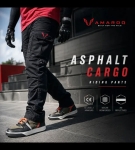
Here are some Casual Fit / Touring Pants for you:

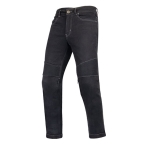
Riding jeans are for those who don’t want to compromise on protection even while commuting to college/office. These jeans are typically reinforced with exotic fibres like Kevlar to increase their abrasion resistance. Riding Jeans also have pockets where you can insert knee protectors.
So you get cool looking pant that looks like your ordinary denim but still offers protection and abrasion resistance.
What do the CE ratings on riding pants mean?
Once you start comparing riding pants, you will notice terms like CE Level 1, CE Level 2, or a class rating such as AA or AAA on the product page. These numbers are not marketing fluff. They come from European safety standards and tell you how much protection a pant actually offers.
The overall garment is tested and classified under EN 17092. Pants rated AAA offer the highest abrasion and burst resistance and suit riders who want maximum protection, including on track. AA class pants offer strong protection with a bit more flexibility in fabric choice, which is why many popular touring and commuting pants fall in this class. Class A and the lighter B and C classes trade off some abrasion resistance for a more relaxed, everyday fit, and the lightest classes may not include armour at all.
Separately, the knee and hip armour fitted inside the pant is tested under EN 1621-1. This is graded as Level 1 or Level 2. Level 2 armour transmits less impact force to your body during a fall, so it offers better protection, though it tends to be slightly bulkier than Level 1.
When comparing two pairs of riding pants, look at both numbers together instead of going by the word "armoured" alone. A pant with a solid garment class and Level 2 knee armour will protect you far better than one that only mentions armour without any rating behind it.
Browse our range of CE certified motorcycle riding pants to compare garment class and armour level across brands.
How to pick the right size and fit
Riding pants are cut differently from regular trousers, so don't pick your size purely based on your jeans size. Most brands, including the ones we stock, publish their own size chart based on waist and inseam measurements, and it is worth checking this before you order.
While trying on a pair, sit down in a riding position if you can, or at least bend your knees the way you would on a bike. The knee armour should stay centred over your kneecap when seated, not slide down to your shin or ride up onto your thigh. If the armour is not sitting right, try the next size or a different brand rather than living with it.
Leave a little room for a thermal liner if you plan to ride in winter, but avoid going too loose. Baggy riding pants flap around at speed, and the internal armour can shift out of position during a fall. A snug, comfortable fit that still lets you move your knees and hips freely is what you are aiming for.
Check each product page in our motorcycle riding pants collection for the brand's specific size chart before you buy.
How to clean and maintain riding pants
Good riding pants are an investment, and how you look after them decides how long they last. Sweat, road grime and monsoon mud left sitting in the fabric can weaken stitching and clog mesh panels over time.
We have put together a detailed guide on how to clean your motorcycle riding pants, covering hand washing, machine washing and how to recharge the waterproofing on pants with a breathable membrane. It is worth a read before you toss your gear in with the regular laundry.
Conclusion
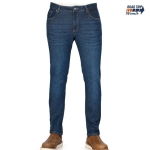
Also now a days, riding pants aren’t much more expensive than decent quality knee guards. (We aren’t talking about the cheap knee guards costing Rs.800/-. These cheap knee protectors are useless in any crash). So why risk pair of your favorite jeans along with your kneecaps and various other body parts when you can spend a bit to protect them? Head to Riding Pants to explore options available. Some of the riding pants available are -
What should you expect to pay for riding pants?
Pricing varies a fair bit depending on the class rating, armour level and brand, so it helps to know what you are paying for rather than just comparing sticker prices.
Entry level riding jeans and basic mesh pants sit at the lower end and typically come with Level 1 knee armour and a lighter garment class, which is a reasonable starting point for short commutes. Mid-range touring pants add features like removable rain and thermal liners, Level 2 armour and a higher garment class, making them the sweet spot for most daily riders. Premium leather racing pants and adventure touring pants with breathable membranes sit at the top, built for serious mileage or track use.
Rather than chasing the cheapest option, matching the pant's CE class and armour level to how and where you actually ride will get you the most protection for your money. You can browse our full riding pants collection to compare current options across all three tiers.
Frequently Asked Questions
Q1: Can I just wear regular jeans instead of riding pants?
A1: You can, but regular denim offers very little abrasion resistance and has no armour at the knees or hips. Even a low speed slide can cause road rash or joint injuries that a proper riding pant or reinforced riding jean would have prevented.
Q2: What CE rating should I look for when buying riding pants?
A2: For daily commuting, AA class with Level 1 or Level 2 knee armour is a solid starting point. If you ride aggressively, tour long distances, or want maximum protection, look for AAA class pants with Level 2 armour at the knee and hip.
Q3: How do I know which size riding pants to order?
A3: Check the specific brand's size chart rather than assuming your jeans size will carry over, and try to sit down while trying the pants on so you can confirm the knee armour lines up with your kneecap.
Q4: Are riding pants too hot for Indian summers?
A4: Not if you pick the right style. Mesh and perforated textile riding pants are built for airflow and are noticeably cooler than raw denim over a long ride, while still offering armour and abrasion resistance that jeans cannot match.
Q5: How do I wash and maintain my riding pants?
A5: Remove the armour and liners first, spot clean with a mild detergent, and avoid bleach, fabric softener and direct sun while drying. Our riding pants cleaning guide walks through the full process step by step.
Q6: How long do good riding pants typically last?
A6: With regular use and proper care, a good quality textile or leather riding pant can easily last 3 to 5 years or more. Cleaning them correctly and storing them dry, as covered in our cleaning guide, makes the biggest difference to how long the fabric and armour hold up.
So choose wisely and ride happily.
Let's have a look at few of the products we offer:



Be the first to learn about our latest trends and get exclusive offers