Bike Maintenance & Technical Resources
Riding gear protects you. Keeping the bike itself in good shape protects the ride. A motorcycle that has been properly run in, correctly geared, and maintained on schedule behaves more predictably, which matters just as much as what you're wearing on top of it.
This hub covers the technical side of ownership: what to check before you ride a new bike home, how to keep the drivetrain in good condition, and how to get more out of the bike you already have without spending on upgrades.
What You'll Find in This Hub
- How to Choose Auxiliary Lights for Your Motorcycle: picking the right fog light or spotlight, wiring it safely, and the legal grey area riders often miss.
- Carrying a DSLR, Lenses and a Drone on a Motorcycle Tour: how to pack camera gear so it survives the ride, protect batteries in the cold, and stay within drone flying rules.
- Pre-Delivery Inspection Checklist: what to check on a new motorcycle before you accept delivery.
- How to Lube a Bike Chain: chain lubrication done right, and how often it actually needs doing.
- Sprockets: A Detailed Guide: how sprocket size changes affect acceleration and top speed.
- How to Go Faster: getting more out of your existing bike's power and gearing before you consider upgrades.
- Motorcycle Drive Types Explained: chain, belt and shaft drive compared.
Why We Group Maintenance Advice With Gear Advice
Most riders researching how to protect themselves are also the ones keeping their bike properly serviced. It's the same mindset applied to two different parts of the ride, so it made more sense to give this content its own home instead of burying it inside a general tips bucket.
FAQs
Q1: How often should I lubricate my motorcycle chain?
A1: A good baseline is every 500 to 600 km under normal conditions, and after every ride in rain or dusty conditions, since water and grit wash lubricant off faster than regular use wears it down. Check your owner's manual for the manufacturer's specific interval, since chain type and riding style both affect this.
Q2: What's the single most important thing to check during a pre-delivery inspection?
A2: Odometer reading and fluid levels are the two most telling checks, since a bike that's supposedly brand new but already has meaningful kilometres on it, or fluids that look used rather than factory-fresh, are the clearest signs something isn't right before you accept delivery.
Q3: Does changing sprockets actually make a bike faster?
A3: It changes how the power is delivered rather than how much power the engine makes. A smaller front or larger rear sprocket improves acceleration at the cost of top speed, and the reverse is true for the other direction, so it's a trade-off rather than a straightforward gain.
- September 10, 2026
Post-Tour Motorcycle Servicing Checklist
Our pre-trip mechanical checklist covers getting a bike ready before a tour. This is its natural bookend, what to check once you're back, because a few thousand kilometres of mixed terrain, altitude, water crossings and long days puts wear on a bike that a normal commuting schedule simply doesn't.
Skipping this check doesn't usually cause an immediate problem. It causes a slow one, a chain that wears out early, brake components that fail sooner than they should, or a small issue from the trip that turns into an expensive one by the time it's finally noticed.
When to Do This Check
Within a few days of returning, while the trip's conditions are still fresh in your memory and before the bike goes back into daily use. Riding a touring-worn bike straight back into a regular commute
- September 09, 2026
Pre-Trip Motorcycle Mechanical Checklist
A pre-delivery inspection tells you a new bike left the showroom in good order. It says nothing about whether that same bike, six months and a few thousand kilometres later, is ready for a five day tour through changing terrain and weather. That's a different check, done at a different time, for a different reason.
Most mechanical issues that end up stranding a rider mid-tour aren't sudden failures. They're things that were already showing signs before the trip started, a chain running loose, a tyre worn past the point it should have been replaced, a battery that was struggling to turn over even in the driveway.
This checklist covers what to actually check before you load the bike and leave, not a full service, but a focused inspection aimed at catching the things most likely to cause trouble on the road.
When to Do This Check
At least one week before departure, not the night before. This
- September 07, 2026
How to Choose Auxiliary Lights for Your Motorcycle
Stock headlights on most Indian motorcycles are built for city traffic, not a monsoon downpour on the Mumbai-Pune expressway or a foggy climb toward Rohtang. That gap is exactly what auxiliary lights are meant to close.
The problem is that most buying advice online is written for BMW and Harley riders in the US and Europe, where the roads, the weather, and the traffic rules are completely different from what you'll actually deal with on a Royal Enfield or an adventure bike in India. This guide skips the DOT and E-Mark talk and focuses on what actually matters here: which type of light suits your riding, how to wire it without draining your battery, and the legal grey area that most guides don't mention at all.
Fog Light, Driving Light or Passing Light? Know What You're Buying
"Auxiliary light" is an umbrella term, and the three most common types under it solve different problems.
- March 06, 2024
The bike’s chain is probably one the most important parts on a bike for it's brand new out of showroom feel. The kind of acceleration and deceleration forces that the chain handles are immense. In the course of normal riding, the chain probably goes through the most wear and tear as compared to any engine component; remember, almost all engine components are almost always lubed by the engine oil and are encased away from the harsh surroundings (mud, dust etc) whereas the chain is mostly exposed to the elements of nature.
The chain’s exposure to natural elements make it age rapidly unless cared for. The difference in performance between a non-lubed chain and a properly maintained one is huge and can be felt almost immediately.
Why is cleaning bike chain necessary?
In most modern motorcycles, chain is not covered in full chain cover and is exposed. It gets subjected to dirt, dust, water every time you ride. Cleaning a chain and lubricating it properly will (a) mak
- February 28, 2024
I recently received a call from a very good friend informing me that he has bought a new bike. Not being an enthusiast, his demands from the machine were limited to regular commute to his office, market place and an occasional trip to outskirts within 100 kilometers. When I reached his place, his bike looked as new as it could. Having taken the delivery a few hours back, the bike was gleaming and sparkling with all its glory.
He started the bike and then in a display of utter neglect, revved the bike hard enough for its nuts to fall off. Not just that but he also ensured that he redlined in the lower gears while demonstrating the potential to me. Thankfully, I was only a spectator standing a few meters away. While the display of his riding prowess and that of his machine were ignorable, what is not worth ignoring is the fact that his bike might have endured some of the toughest moments of its life.
So then we decided
- July 06, 2023
With the upcoming monsoon, we, as riders are worried about protecting our pride and joy from rains. People have questions right from “Is it OK for a bike to get rained on?” to “how to protect my motorcycle from rusting”. So decided to put together a guide with tips. Here it is -
How to protect your motorcycle from rains:
- July 01, 2023
Every rider wants to be faster. Even being 5-10% faster would be sufficient for most. And not everyone can keep upgrading the bike. And in most of the cases, you don’t need to be upgrading. It is time to see if you are actually utilising the full power of your existing bike. Read on.
We will be discussing following points in this article:
- June 28, 2023
Every rider wants to go faster and if you can find some more power or top speed in your existing bike; that too without spending much money, who wouldn’t want it? The solution to more power or more top speed is chain/sprocket kit. You can get exact percentage gain that you can calculate before modification.
- Does a smaller rear sprocket make you go faster?
- Bigger sprocket faster or slower
- What does a smaller front sprocket do?
- Bigger front sprocket does what?
- Does a bigger sprocket increase speed?
We have been asked these queries so many times that we decided to write a detailed guide about it.
So let’s see how this magic upgrade works.
If you are looking for
- March 01, 2021
While everyone enjoys riding their motorcycle, do we ever give a thought to the drive type we are using and why? We guess not. That is why this article to explain benefits and disadvantages of each drive type.
There are 3 drive types for motorcycles:
Now let’s look at each drive type in details.
1. Chain Drive:
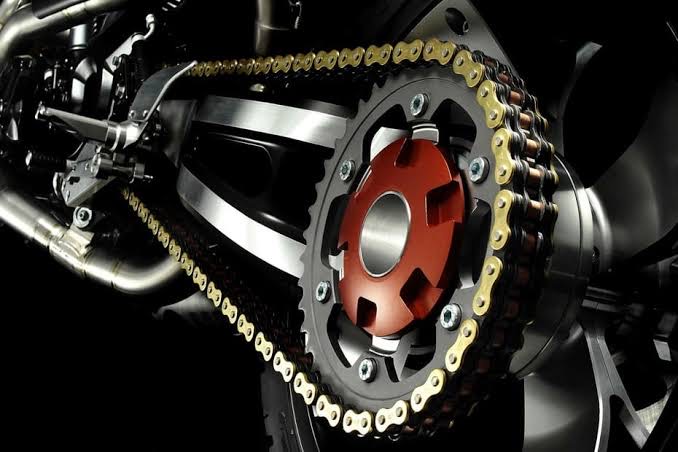
Chain drives are the most commonly found drive type for motorcycles. Chain drive comprises of a simple chain of linkages c