Layering and Ventilation for Long Motorcycle Rides
Ride from Pune to Goa in May and you'll understand heat exhaustion in a way no article can explain for you. Ride from Manali toward Leh in the same jacket and you'll understand hypothermia just as fast. India doesn't give riders one climate to dress for. It gives you three or four in the same week, sometimes the same day.
Most layering advice online is written for European or American riders dealing with a single cold season. That doesn't map well onto a country where you can start a ride at 35°C in the plains and end it shivering at a mountain pass before lunch.
This guide covers both ends properly. How to stay cool and not exhausted on long, hot highway stretches, and how to layer for genuine cold at altitude or during winter touring, without either approach leaving you stuck when the weather flips.
Why Layering Matters More Than "One Good Jacket"
A single jacket, no matter how expensive, can't handle a temperature swing of 20 degrees or more. That's exactly the swing you'll hit riding into the hills, or riding through a summer afternoon versus a cool early morning start.
Layering solves this by building your outfit from thin, purposeful layers you can add or remove rather than relying on one thick piece of gear to do everything. A good base layer, a jacket with real ventilation, and a compact way to add warmth when needed will outperform a single "does everything" jacket almost every time.
The right riding gear makes this easier to get right, but the layering strategy behind it matters just as much as the gear itself.
Hot Weather Riding: Staying Cool on Indian Highways
Summer riding in most of India isn't about staying comfortable, it's about avoiding heat exhaustion on a five or six hour highway stretch. Temperatures on the plains regularly cross 40°C between March and June, and tar-road heat plus engine heat adds to what you actually feel while riding.
Start with a Moisture-Wicking Base Layer
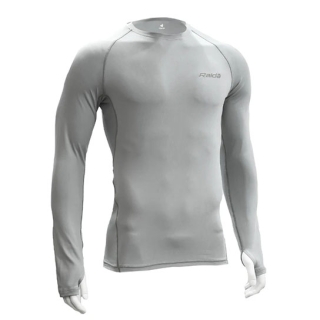
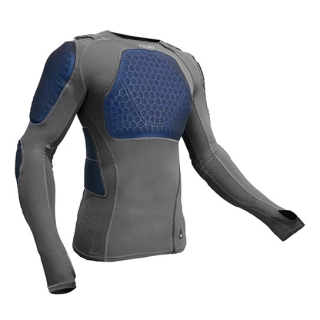
Cotton feels comfortable standing still and becomes a problem the moment you start sweating. It holds moisture against your skin instead of moving it away, which leaves you damp, heavier, and more prone to chafing under armour over a long ride. A synthetic or merino-blend base layer designed for riding wicks sweat to the surface, where airflow through your jacket's vents can actually evaporate it.
Use Your Jacket's Vents Properly
Most mesh and textile touring jackets have vents at the chest, back, and sometimes the arms. Riders often leave these half-closed out of habit. Open them fully on a hot stretch. A mesh or perforated jacket moves far more air than a solid textile one, and on Indian summer highways that difference is the gap between manageable and miserable. Our riding jackets range includes both mesh and ventilated textile options if your current jacket is built more for cold weather than heat.
Don't Skip Gear for Comfort
The instinct in extreme heat is to wear less protection. Resist it. A well-ventilated jacket with armour will always beat a t-shirt in a fall, and heatstroke is more preventable through hydration and rest stops than through skipping gear. If your current jacket runs hot, the fix is better airflow and a lighter base layer, not fewer layers of protection.
Hydrate Before You're Thirsty
By the time you feel thirsty on a hot ride, you're already behind on fluids. A hydration pack that sits under or over your jacket lets you sip water without stopping, which matters on stretches where the next dhaba or fuel stop is 40 minutes away. Add electrolytes on long summer days, plain water alone doesn't replace what you lose through sweat under riding gear.
Time Your Ride Around the Heat
Where your route allows it, ride early morning and late afternoon, and take a longer break through the peak heat between roughly noon and 3pm. This isn't always possible on a tight schedule, but on flexible routes it makes a bigger difference to comfort than any single piece of gear.
Cold Weather Riding: Layering for Hills and Winter Touring
Cold in India isn't always the deep winter kind. It's early morning starts in the plains during December and January, hill station rides where temperatures drop fast after sunset, and proper high-altitude cold on routes toward Ladakh, Spiti, or any Himalayan pass where near-freezing temperatures are normal even outside peak winter.
Build Three Layers, Not One Thick One
A base layer, a mid layer, and your outer riding jacket work better together than one heavy jacket worn alone. The base layer manages sweat, the mid layer traps warm air close to your body, and the outer jacket blocks wind and, ideally, water. This system lets you remove the mid layer once you've warmed up or the day heats up, something a single heavy jacket can't do.
Base Layer: Thermal, Not Just Thick
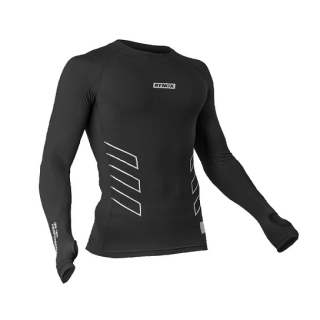
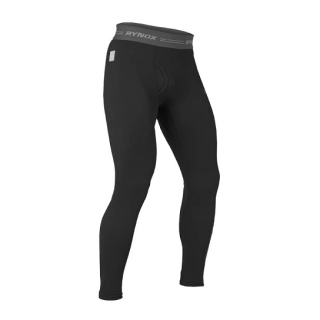
A thermal base layer works by trapping a layer of warm air against your skin while still moving sweat away, which matters even in the cold since you'll still perspire on climbs or during a hard riding stretch. Avoid anything that only feels warm standing still in a shop, since that's rarely a good sign of how it performs after two hours in the saddle.
Mid Layer: The Piece Most Riders Skip
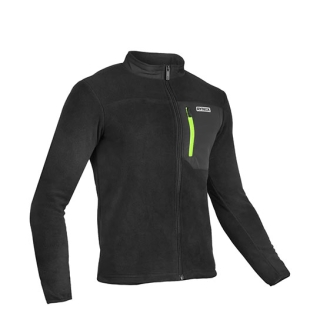
A fleece or insulated mid layer is often the missing piece between a base layer and a jacket. It's compact enough to carry in a tank bag or the top of a saddlebag and pull on only when you actually need it, rather than committing to it for the whole day.
Protect the Gaps Wind Finds First
Neck, wrists, and ankles lose heat fast because they're where gear naturally gaps. A neck gaiter or balaclava, gloves with a proper cuff that seals over your jacket sleeve, and pants that overlap your boots rather than tucking into them all close these gaps. Cold air finds any opening at highway speed, and these are usually the first places riders feel it.
Watch Your Hands and Feet Specifically
Hands and feet get cold faster than your torso because they have less muscle mass generating heat and sit furthest from your body's core. Heated grips help on the bike, but a genuinely insulated, wind-blocking glove matters more on longer cold stretches. Thin liner gloves under your main riding gloves add warmth without much bulk if you're heading somewhere genuinely cold.
Plan for the Descent, Not Just the Climb
Riders often layer up for the climb to a pass and forget that coming down can feel colder, since you're moving faster with less physical effort generating body heat. Keep your mid layer accessible rather than packing it away once you've reached the top.
The Real Challenge: When Both Happen on the Same Ride
The routes that test layering hardest aren't the purely hot or purely cold ones. They're rides like Manali to Leh, or any hill station trip, where you start in heat and climb into cold within a few hours, then repeat the reverse on the way back.
The fix is carrying your mid layer rather than wearing it from the start. Begin the ride in your base layer and jacket only, vents open. As the road climbs and temperature drops, add the mid layer and close your vents. On the way back down, reverse the process. This only works if your mid layer is packed somewhere you can reach without unpacking your whole bag, which is worth planning before you leave, not at the first cold stretch. Our guide on how to pack motorcycle luggage covers keeping frequently-needed items accessible rather than buried at the bottom of a bag.
Layering and Monsoon Riding
Rain adds a separate problem on top of temperature. A waterproof outer shell over your layering system keeps the whole setup from getting soaked, but it also traps heat, so venting becomes harder exactly when you need to stay dry. On warm monsoon rides, a breathable waterproof layer is worth the extra cost over a basic PVC rain suit, since the latter turns into a sauna the moment you stop moving. For a full breakdown of gear that copes with genuine rain rather than a light drizzle, see our guide on waterproof riding gear, decoded, and our tips on riding technique in the rain.
Common Layering Mistakes
Wearing your heaviest jacket for the whole trip instead of building a layering system, which leaves no way to adjust once the temperature changes.
Choosing cotton for a base layer because it's what's already in the cupboard. It holds sweat instead of moving it, which works against you in both heat and cold.
Packing the mid layer somewhere inaccessible, so it doesn't get used even when it's needed, because digging it out mid-ride feels like too much effort.
Underestimating descent cold on mountain routes, and packing away warm layers right after the climb instead of keeping them within reach for the way down.
Skipping armour or ventilation to chase comfort in extreme heat, when the better fix is a more breathable jacket and better hydration, not less protection.
Frequently Asked Questions
Q1: What should I wear under my riding jacket in Indian summer heat?
A1: A moisture-wicking synthetic or merino-blend base layer, not cotton. Cotton holds sweat against your skin instead of moving it away, which makes you feel hotter and heavier over a long ride, while a proper base layer helps sweat evaporate through your jacket's vents.
Q2: How many layers do I actually need for a Himalayan pass?
A2: Three is usually enough: a thermal base layer, an insulating mid layer like fleece, and your outer riding jacket with wind and water protection. This gives you the flexibility to remove the mid layer if you warm up on a climb, rather than being stuck in one heavy jacket for the whole ride.
Q3: Is it safe to wear less gear to stay cool in extreme heat?
A3: No, reducing armour or protective coverage isn't a safe way to manage heat. A well-ventilated jacket with proper mesh panels, combined with a good base layer and regular hydration, manages heat far more effectively than removing protection, and keeps you covered in the event of a fall.
Q4: Why do my hands and feet get cold before the rest of my body?
A4: Hands and feet have less muscle mass generating heat and sit furthest from your core, so they lose warmth faster than your torso. Thin liner gloves under your main riding gloves, and boots that your pants overlap rather than tuck into, help close the gaps where cold air gets in fastest.
Q5: How do I layer for a ride that starts hot and ends cold, like a mountain pass?
A5: Start in just your base layer and jacket with vents open, and carry your mid layer somewhere easy to reach rather than wearing it from the start. Add it as the temperature drops going up, then remove it again on the way back down once you've descended and warmed up.
Related Guides
How to Pack Motorcycle Luggage: Weekend Ride vs Long Tour
Waterproof Riding Gear, Decoded
What to Wear While Riding a Motorcycle in Rains