Riding Two-Up: Touring with a Pillion
Add a pillion to a tour you've only ever ridden solo and the bike changes underneath you. It brakes differently, corners differently, and carries weight differently. Most riders notice this the first time they take a loaded, two-up bike into a corner they'd normally take without thinking.
Beyond the bike itself, touring with a pillion changes the trip planning too, packing space, rest stop frequency, and how you communicate on the move all need a second look.
This guide covers what actually needs to change when you're touring two-up rather than solo, from suspension setup to keeping a pillion comfortable enough to actually enjoy a multi-day ride.
Setting Up the Bike for Two-Up Riding
Suspension
Most bikes need rear preload adjusted for the extra weight of a pillion plus luggage. Check your owner's manual for the recommended setting, and adjust before you leave rather than discovering the rear end sagging under load on day one. A bike running soft on preload with two people and bags aboard loses ground clearance and handles noticeably worse in corners.
Tyre Pressure
Like suspension, tyre pressure needs adjusting upward for the additional weight. This is usually listed as a separate figure in your manual for rider-plus-pillion versus solo rider. Running solo pressure with two people aboard is a common and easily avoidable mistake.
Grab Rails and Backrest
A proper grab rail gives your pillion something secure to hold, and a backrest, even a soft touring one, reduces fatigue on long stretches by supporting their back rather than leaving them to brace against acceleration with their core the whole day.
Packing Differently for Two
Two riders means more luggage, but the fix isn't just bigger bags. It's better organisation. A pair of saddlebags plus a tail bag or top box typically works better for two-up touring than a single oversized bag, since it keeps weight lower and more evenly distributed even with double the clothing and gear.
Talk to your pillion about what they actually need accessible mid-ride, sunscreen, a change of gloves, snacks, and pack those items somewhere they can reach without you both stopping and unpacking everything. A tank bag for the rider's essentials and a smaller bag the pillion can access themselves, like a thigh bag or small pack, splits this sensibly. For weight limits and distribution logic that applies just as much with a pillion aboard, see our guide on how to pack motorcycle luggage.
Gear for Your Pillion
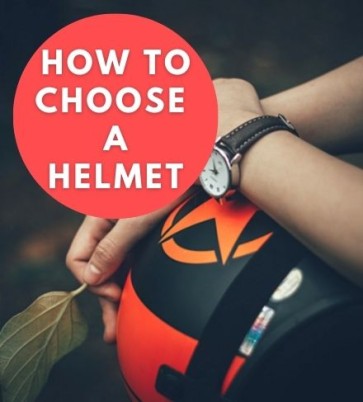
Full ATGATT applies to a pillion exactly as much as the rider. Helmet, jacket with armour, gloves, and proper footwear aren't optional just because they're not the one controlling the bike. A pillion in a fall has just as much exposure as the rider, sometimes more, since they have less ability to anticipate and brace for what's coming. Our riding gear range covers full kits in sizes for both riders and pillions.
Communication on the Move
Hand signals cover the basics, a tap on the shoulder for a stop request, a squeeze to signal readiness before pulling away. For anything more detailed, an intercom system lets you actually talk through route changes, fuel stops, or just check in on how they're doing, which matters more on longer stretches than most first-time two-up tourers expect.
Agree on signals before you leave, not mid-ride when something urgent comes up and you're both guessing what a gesture means.
Riding Technique with a Pillion Aboard
Smoother Inputs
Sudden acceleration, hard braking, and aggressive lean angles all feel more dramatic to a pillion than they do to the rider, since they're reacting to your inputs rather than anticipating them. Smoother throttle, earlier braking, and gentler lean transitions make the ride noticeably more comfortable for them without meaningfully slowing your progress.
Longer Braking Distance
A loaded, two-up bike takes longer to stop than a solo rider on the same bike. Give yourself more following distance and start braking earlier than habit tells you to, especially on descents where the extra weight compounds the effect.
More Frequent Stops
Two people means two sets of needs, and a pillion sitting in a fixed position without control of the throttle often gets stiffer and more fatigued than the rider over the same distance. Build in more frequent stops than you would solo, even if you personally feel fine to keep going.
Choosing Routes and Pace for Two-Up Touring
A route that's comfortable solo can be genuinely tiring two-up, particularly on rough or unpaved sections where a pillion absorbs more of the bumps with less ability to adjust their position than the rider. If you're touring with a pillion who's newer to long rides, build slightly shorter daily distances into the itinerary than you would solo, and pick accommodation with realistic buffer rather than planning to push to the absolute edge of daylight every day.
Common Two-Up Touring Mistakes
- Not adjusting suspension preload or tyre pressure for the added weight, and only noticing the handling change once it's too late to easily fix mid-trip.
- Packing as if solo, then discovering there's nowhere left for the pillion's belongings once the bike is loaded.
- Assuming a pillion doesn't need full protective gear because they're not controlling the bike.
- Riding the same pace and stop frequency as you would solo, without checking in on how your pillion is actually doing.
- Skipping a communication plan and improvising hand signals mid-ride when something urgent comes up.
Frequently Asked Questions
Q1: Do I need to adjust my bike's suspension for a pillion?
A1: Yes, most bikes need rear preload increased for the added weight of a pillion, and this adjustment is usually specified separately in your owner's manual for rider-plus-pillion riding. Skipping this typically results in a softer rear end, reduced ground clearance, and noticeably worse handling in corners.
Q2: How does luggage packing change when touring two-up?
A2: Beyond simply needing more space, a multi-bag setup, saddlebags plus a tail bag or top box, usually works better than one large bag, since it keeps weight lower and more evenly distributed. It's also worth planning which items your pillion needs accessible mid-ride and packing those somewhere they can reach without a full unpack.
Q3: Does a pillion need the same riding gear as the rider?
A3: Yes. A pillion is exposed to the same fall risk as the rider, sometimes more, since they have less ability to anticipate and brace for sudden movements. A proper helmet, armoured jacket, gloves, and appropriate footwear apply to a pillion just as much as the rider.
Q4: How should riding technique change with a pillion aboard?
A4: Smoother throttle inputs, earlier and gentler braking, and more gradual lean transitions all make a noticeable difference to pillion comfort. A loaded two-up bike also takes longer to stop than a solo rider on the same bike, so building in more following distance is worth the habit change.
Q5: How much shorter should daily distances be when touring two-up?
A5: There's no fixed number, but building in more frequent stops and slightly shorter daily distances than a solo tour is a sensible default, particularly if your pillion is newer to long rides. A pillion sitting in a fixed position often fatigues faster than the rider over the same distance.
Related Guides
How to Pack Motorcycle Luggage: Weekend Ride vs Long Tour
Rider Fatigue and Fitness for Multi-Day Motorcycle Tours